Tips From Insurance Agents to Reduce Homeowners Claims

One factor that can affect the cost of your homeowners insurance is your claims history. Keeping your claims history to a minimum can be accomplished by using a variety of tips from insurance agents.

Winterize Your Home

This is a task that needs to be done in the fall before the winter season starts. All pipes that are exposed to the weather or cold will need to be insulated. This can be done by adding pipe insulation to all of the exposed pipes. Another option is to wrap heat tape on the pipes. You will need to insulate pipes that are in a garage or a crawl space that is exposed to cold air. Turn off and drain all your outside water faucets to prevent the pipes from freezing.

Protect Against Moisture and Mold

Areas of the country that have high levels of humidity can cause problems for a homeowner that has a basement. Excess moisture in a basement can lead to the formation of mildew and mold. Mold is a risk to you and your family’s health and needs to be prevented. Your homeowners policy may not cover any mold removal from your home. Moisture in your basement can be treated with a dehumidifier. If your basement has water penetration, then the walls may need to be sealed. Check all of the appliances in the basement, such as a water heater, to ensure there are no leaks. You also need to make sure that no water is leaking at your windows and doors.

Home Fire Prevention Measures

Verify that all of your smoke detectors are working properly once to twice each year. Smoke detectors that are not working properly may need a new battery or require a replacement. Your home should also have one to two fire extinguishers that are easily accessible. Fire extinguishers are needed to put out a grease fire because water will be ineffective. You should also have a fire evacuation plan for your home, should a fire occur.

Home Theft Safety Measures

Outside doors to your home should all have a deadbolt lock. You can also install an alarm or a security system to alert the police if your home is burglarized. If you have valuable items inside of your home, store them in a fire-resistant safe. Make sure that you do not have easy entry points that an intruder can use, such as a window air conditioner installed on the first floor.

Eliminate Safety Hazards and Nuisances

The potential for an accident is something that is not always considered. An accident can occur if you do not have the proper railings on staircases or take proper care to ensure your property is safe. Make sure that all sidewalks and entrances to your home are free of ice to prevent a trip and fall. You should also keep all flammable items in an outbuilding, such as a barn or shed, away from your home.

Benefits of Safeguarding Your Home

The use of smoke detectors, fire extinguishers and alarm systems qualify for a discount on a homowners insurance policy.

Make sure that you have reviewed your insurnce policies with your local insurance agent to make sure you are getting all the policy discounts that you should.

Arizona Homeowners Insurance Tip: Document Your Belongings

Tips for your Arizona Home Insurance policyYou know that thing you know you really should do, but you just keep putting off? Maybe it’s backing up the files on your computer, or putting irreplaceable documents into a safety deposit box. You never seem to get around to taking that preventative step, yet you know that if anything ever happened you would deeply regret it. Perhaps you even have an entire list of tasks like this that you’re planning to get to “one of these days”.

Well, add this one to your list, and put it at the top: Document your personal property for insurance purposes. Most people have heard this tip, but very few people actually take the time to do it. That’s unfortunate, because in the event of a burglary or fire, if you didn’t document the contents of your home ahead of time, the insurance claim process will be much more difficult. Save yourself the headache and the heartache–before anything happens, set aside a few hours some weekend and take inventory, including photos, videos, and a written list. Then store it all in a safe location away from your home, such as that safety deposit box you’re going to get.

With digital photography this process can be easier than ever before. Use a digital camera and take pictures of every room in your home, including inside drawers, cabinets, and closets. Don’t forget the art on the walls, the lights on the ceiling, and the carpet on the floors. Take pictures of the inside of bathroom cabinets, tool boxes, and the garden shed. Be sure to photograph appliances, curtains, bathroom fixtures, bedding, and computer equipment. Even everyday items are more valuable than you might think. Imagine the cost of replacing all the things you use on a regular basis, like furniture, kitchen items, bedding, and clothes. You get the idea: photograph everything.

You can also use video to document your possessions. The best way to do this is to start at the front of your home and work your way through each room. Narrate as you go along, explaining what each item is and making a note of any valuable items like jewelry and electronics, including the value or price paid if you know it.

Then you can simply save the images and/or video on a CD, DVD, or other storage device that you put in the safety deposit box, along with copies or originals of important documents and a written list of anything that might be helpful when filing a claim. You can also save your photos and video remotely in the cloud for additional backup. Having the images stored in more than one place will give you additional peace of mind. And as a bonus, you can back up your family photographs to the same cloud-based site. After all, photos are one thing home insurance can never replace if you don’t have copies saved elsewhere.

Imagine how much better you’ll feel after you knock this task off your “really-should-do” list. Consult with your homeowners insurance agent for more advice about documenting your belongings, and to discuss ways to ensure future home insurance claims, if any, go as smoothly as possible.

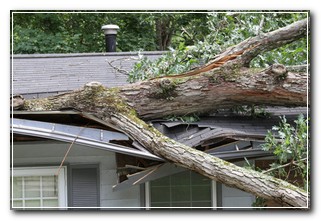
Arizona Home Insurance: Does My Policy Cover Fallen Trees?

Arizona Home Insurance Covers Tree on houseAs summer slowly begins turning to fall, you may be starting to notice leaves and branches dropping on your property. Have you ever wondered if your home insurance would cover you if a tree fell and caused damage to your property? What if a neighbor’s tree falls and takes out a storage shed? Is the cost of removing a fallen tree covered? Here are answers to some frequently asked questions about when your homeowners policy covers fallen trees.

  1. If a tree falls and hits my house, am I covered? Usually, yes. Most homeowners insurance policies cover damage caused by fallen trees to your home or to other insured structures such as garden sheds or detached garages. Unless you purposely cut the tree down so you have an excuse to remodel your kitchen, it typically doesn’t matter what made the tree fall. Natural causes such as wind, lightning, or ice are all normally covered.
  2. My neighbor has a big tree close to our property line that I’m concerned may fall. If my neighbor’s tree damages my home, am I still covered? Again, yes. Regardless of who owns the tree, if it damages your home you can still file a claim with your insurance company. In strong storms trees and branches can turn into projectiles that cause considerable property damage. In most of those cases, your insurance company will be concerned with the damage to your property, not where the tree came from. If a tree located on your neighbor’s property falls due to disease or lack of care, your insurance company may try to recover costs from your neighbor’s insurance company. If this happens, you may be reimbursed for your deductible.
  3. Removing a fallen tree can be expensive. Are those costs covered? If a tree damages your home or another insured structure, your insurance company will most likely cover the cost of removing the fallen tree. If the tree falls on its own and does not damage property, the cost of removing the fallen tree does not typically fall under your homeowners coverage.
  4. The couple down the street paid for some pricey landscaping and woke up one morning to find that someone had stolen several trees and bushes. Am I covered if that happens to me? Most homeowners insurance policies cover loss or damage to trees and shrubs from various causes, including fire, lightning, vandalism, and theft. Coverage for damage or loss of trees is typically limited to 5% of the amount of insurance on your home. There may also be a $500 limit for any single tree or shrub.

If you have questions about how your homeowners policy protects you against damages from fallen trees or branches, contact your insurance agent to discuss your needs and ensure you are fully covered.

Burglary Prevention Tips From Insurance Agents

Arizona Insurance AgentsAlthough it’s comforting to know that your insurance agents are there and ready to help if something goes wrong, nobody wants to have to file an insurance claim.

Prevention is the key to avoiding most home insurance claims. Of course, you can’t control everything that happens in life, but when it comes to protecting your home from burglary, there are actually many relatively simple preventative steps that you can take.

The first, and perhaps most obvious step is to invest in security features such as a reliable alarm, deadbolt locks, window locks, and outdoor lighting with motion-sensors. Be sure to let your insurance company know if you do install any of these items, because it can mean lower premiums on your homeowners insurance.

But there are plenty of other things you can do to reduce the likelihood of a burglary. Don’t leave ladders anywhere that might be accessible to potential intruders. Secure sliding doors and windows. Always lock both your front and back doors anytime you go outside, and keep your garage doors closed. Don’t leave windows open when you’re away. Don’t leave valuables in plain sight, and if you purchase new appliances or electronics, don’t put the box out by the curb where everyone can see what shiny new item you have inside.

Take safety into consideration in your landscaping plans, as well. Make sure any bushes or shrubs near windows aren’t providing a convenient hiding spot for intruders. Trim back any tree branches that could provide access to upper-story windows. Keep in mind that any overgrown trees or shrubbery in the yard can create concealing shadows.

It’s common for homeowners to leave a spare key hidden somewhere outside in case they are locked out. But burglars will check in the more obvious places, and even if you’re a savvy key hider, it’s still possible that someone might figure out your hiding spot. Instead, give a spare key to a friend or a neighbor you trust. Speaking of neighbors, it’s worth getting to know yours. Neighbors who know each other are better able to identify strangers and more likely to look out for each others’ property and safety.

Mostly, burglars just want to get in, take your stuff, and get out. That’s why burglaries tend to occur during the day when people are at work. If you can create an illusion that someone is home, they won’t want to take the chance. Interior lights with timers can give the appearance that the home is occupied, but make sure you have window coverings to prevent anyone from seeing clearly inside.

If you’re going to be away from home for an extended period of time, then you’ll need to prepare in advance. Before going out of town, make arrangements to ensure that the lawn gets mowed or the sidewalk gets shoveled. Put a hold on mail and newspapers so they won’t pile up outside your home. Neighbors can collect any packages that are delivered, or even park their car in your driveway. You can also contact the police and notify them of the dates you will be away.

Burglary results not only in the loss of your belongings but also your peace of mind. So it’s well worth the investment of time and money to do everything you can to prevent it from happening in the first place.

Emergency Preparedness and Home Insurance

Sometimes when people think of emergency or disaster preparedness, they think it applies to someone else. If you live in California, you have to worry about earthquakes. If you live near the Gulf Coast, you have to contend with hurricanes. People in the northern states confront snowstorms year after year.

Well, if you’re a homeowner in Arizona you have to prepare for monsoons (we have had a ton of rain this monsoon season), flooding, and dust storms. Taking steps in case of any type of emergency means being proactive, including having the right home insurance policy.

Important Records 

Just like a business, your personal papers are important to your home operation. At the Ready.gov website provided by FEMA (Federal Emergency Management Administration), they offer tips on what you need to do to prepare.

One way to plan is to have copies of all your important documents, which are then stored in a secure place. Experts suggest your secure place should be far enough away in case of widespread disaster, yet close enough for quick access.

One suggestion is to have two separate safe and secure locations for storing your papers: a safe deposit box containing items such as:

  • Birth Certificates
  • Marriage Certificates
  • Wills
  • Deeds
  • Titles to Automobiles
  • Household Inventory
  • Bonds and Stock Certificates
  • Important Contracts

In addition, you should have a secure, yet active file, containing items such as:

  • Tax Receipts
  • Unpaid Bills
  • Employment Records
  • Health Benefit Information
  • Credit Card Information
  • Insurance Policies
  • Medical Records
  • Inventory of Safe Deposit Box (and key)

Another important part of your records should be a complete, up-to-date list of emergency contacts, including name, phone numbers, and email addresses. For more information and a complete list of items to store, check out this publication on USA.com.

Emergency Kit 

An emergency kit contains basic household items you will need in the event of an emergency. Be sure to assemble it well in advance and store it safely somewhere your entire family knows about, as you may have to evacuate without much notice.

Experts recommend having enough non-perishable food and water to last at least 72 hours. In addition, you should include:

  • Battery-operated radio
  • Flashlight with extra batteries
  • First-aid kit
  • Sleeping bag or warm blanket
  • Matches
  • Fully-charged cell phone
  • Paper and pencil
  • Sturdy shoes and clothing 

For a complete checklist from FEMA, click here.

Home Insurance 

Finally, be sure you have the right home insurance in case of an emergency. In the 2012 post, “Do You Have Enough Insurance to Cover Rebuilding Costs After a Disaster?”, the Small Business Administration suggests taking steps to protect your small business. We’ve adapted them for home use:

  • Check Your Insurance Coverage. Contact your insurance agent to find out if your policy is adequate for your needs. Tailor your polity to the specific needs of an Arizona home. Remember to review and update it often. The home you bought even just five years ago could cost more to rebuild today. CBSNewswatch.com article reports, “Nearly 6 of 10 American houses are underinsured, with most insurance policies having only enough insurance to pay about 80 percent of the costs to replace or rebuild their homes, according to property data provider MSB”.
  • Ask questions. Make sure you understand your policy limits, the deductible, and what is actually covered.
  • Consider emergency riders. The U.S. Geological Survey reports that floods are the leading cause of natural disaster property losses. Most homeowners insurance policies don’t cover flood losses. Make sure to talk with your insurance agent about the types of disaster prevalent in Arizona and how to obtain coverage.
  • Take inventory. Inventory your personal items before disaster strikes. Record the price and estimated replacement cost. Keep receipts, take photos and video of your property, and store this information at a secure location.

With a little forethought and preparation, you can prepare yourself and your home for any emergency. Contact your local insurance agent to make sure you have the coverages on your policy.

Protect Your Home During a Vacation

It’s finally vacation time and you’re excited about much needed relaxation. When you go on vacation, you want to be able to forget about the struggles at home and not have to worry about your home and your things. Here a few tips to ensure you have a safe trip without an unneeded insurance claim when you return.

Home Burglary Prevention

First, let’s talk about burglaries. To prevent your home from being broken into while you’re away, take a few precautionary measures.  If you live near neighbors you trust, consider letting them know you’ll be gone on vacation, and offering them a way to contact you in case something at your home looks suspicious. If you’re active on social media, be cautious about what you tell your online friends about your whereabouts. Sometimes we are so excited that we inadvertently give too much information about ourselves, leading would be criminals right to our door while we are away.

Keep a light on. Whether you just keep an inside light on the entire time you’re away, or you put an inside light on a timer for a more authentic feel, having a light on will deter unwanted strangers from entering your home in the evening. The more you give the appearance that you are home, the less likely a home burglar will be inclined to invade your space. In addition, consider trimming back bushes and trees, as many thieves use such items to conceal themselves from the street as they break into your home. Walk around the perimeter of your home and try to think like a criminal, if there is a ladder or box near a window, move it to make accessing your home inconvenient.

Close the shades and blinds of your home before you leave. Doing so will conceal your valuables from a stranger’s view, making “window shopping” not as easy or convenient. You don’t want to advertise to passers by that you have the latest gaming system, or that you own nice pieces of jewelry.

Have your mail and newspaper deliveries held or have them be picked up by a friend. There is nothing more obvious that you’re away than newspapers building up on the driveway and a full mailbox. You might also ask them to check your door for solicitations, asking them to remove any door hangers or advertisements they may find.  If you will be away for a long period of time, have someone mow your lawn. An unkept lawn is another sign of a homeowner who might be away. Lock all your doors, gates, and garage openings.

Now let’s talk about property damage. Spend a few minutes going around unplugging appliances that will not be in use.  In case of a storm, your appliances will be protected from power surges, and possible fires. Turn down the thermostat so the a/c or heater isn’t working constantly. This will save you money, but it will also help prevent something from going wrong while you are away, only to come home to a flooded a/c unit or a burned heating element.

If you’re going to be away for an extended amount of time, you’ll want to consider turning off the main water valve to your home, including sprinkler units, especially in the winter time when ice can break water pipes.

Remove toys and other items from your yard that might cause damage to your home, like windows or your roof, in the case of severe weather.

Taking a few moments to safeguard your home will allow you to take a vacation without worrying about what is going on with your valuables. Do the work beforehand so you can rightfully relax while you’re away!

We also recommend that you give your neighbor your insurance agent contact info. Should something happen such as water damage, you will want your agent to begin handling the claim to prevent further damage.

Dryer Check-Up: Clothes Dryer Fires Cost $35 Million a Year

I was talking with a friend earlier this week about the issues he was having with his dryer. Because I am an insurance agent, that got me thinking about how many home insurance claims are a result of fire damage, so I did a little research. Here it is.

-Spoiler Alert! If you have kids, read this to them tonight. I promise they will be out in less than 7 minutes.

Dryer Fires in ArizonaThe latest report released by the U.S. government on fires caused by clothes dryers reveals shocking figures. It estimates that 2,900 fires are reported to U.S. fire departments annually, resulting in loss to property to the tune of approximately $35 million. Moreover, improper dryer vent setups can lead to deadly gases like carbon monoxide to remain inside the house and poison its occupants. The U.S. Fire Administration (USFA)’s National Fire Data Center studied data from the National Fire Incident Reporting System (NFIRS) collected between 2008 and 2010. They collated their findings on the characteristics of these clothes dryer fires into a report titled “Clothes Dryer Fires in Residential Buildings”. Here are some more facts and figures presented in the USFA report:

*84 percent of clothes dryer fires occurred in residential buildings.

*The number of such fire incidences in residential buildings was higher during autumn and winter, with the peak of 11 percent occurring in January.

*28 percent of the incidents reported had dust, fiber and lint as the items that caught fire fastest in the clothes dryer fires in residential buildings. This was closely followed by items of clothing that were not worn by any person, featuring in 27 percent of the cases.

*The clothes dryer fires in residential buildings which were limited to the first object that got ignited and did not spread to other items accounted for 54 percent.

*Lack of sufficient cleanliness in the dryer was the top cause of clothes dryer fires, accounting for 34 percent of the cases in residential buildings.

Why do Clothes Dryer Fires Occur?

The most common reason for these damaging fires was the negligent upkeep of the clothes dryer. Not all the lint is trapped by the filter; much of it has a tendency to collect inside the machine and worse still, directly on the heating element. If the machine is not cleaned and serviced regularly, the volume of lint builds up inside it and blocks the flow of free air. The chance of a spark getting ignited is high since lint is a very combustible material. The airflow can also be reduced by the presence of rugs backed with foam or athletic shoes in the clothes dryers.

Incorrect installation of the open end of the vent hose on the roof leads to rain water and debris clogging the vent. Sometimes, small birds and animals make their nest or bed in the exhaust vents of these dryers. This poses a severe fire hazard as well. When the clothes dryer having a blocked vent is switched on, the exhaust gases will not have an outlet to escape. This can lead to overheating, which in turn can trigger a fire. Vents that are made of plastic tend to be flimsy; they can get easily crushed, thereby blocking the exit for the lint and air. These materials might even be flammable.

How can Clothes Dryer Fires be Prevented?

Due to the extremely high number of such fires in recent time, the USFA is attempting to spread mass awareness about the proper use of clothes dryers. While faulty appliances are the cause in some cases, users can prevent a fire most of the time through proper precautions, usage and maintenance of their clothes dryers and dryer vents.

*Installation and Setup of the Dryer Vent:

While clothes dryers were kept in the basement in the past, they are now being placed in other areas of the house, such as bathrooms and bedrooms which are quite a distance away from an outside wall. This means the dryer vent is much longer and possibly has more bends to accommodate the structure of the house. Lint tends to collect more in these longer vents and boosts the chances of a clothes dryer fire in the house. People should give careful consideration to this fact while getting their dryers installed. Keeping the dryer vent hose as short and straight as possible is a great preventive measure for such fires.

*Cleaning of Lint from the Clothes Dryer:

Vacuum cleaners and other gadgets are available to remove the lint that accumulates inside the dryer. These should ideally be used after each run of the dryer. The vent hose of the clothes dryer also needs to be replaced periodically, since the warm air coming into this relatively cooler tube causes condensation that encourages lint to line up along its interior.

*Servicing an Abnormally Working Dryer:

If the clothes take much longer to dry than usual or if they get over-heated, it is an indication that the clothes dryer needs maintenance and/or repair. This not only minimizes the chance of a fire within residential buildings, it also boosts the efficiency of the clothes dryer and gives it an extended life.

Some of the tips for safe usage of clothes dryers are plain common sense, like switching the clothes dryer off before leaving the house and when sleeping. The smoke detector alarm should be checked to see if it is in proper working condition. The instruction manual should be read thoroughly before use. The safest alternative is to hang washed clothes on the clothesline to dry. The extra wrinkles and creases can be dealt with using a good steam iron.

Some Tips BEFORE the Disaster Hits

Hello homeowners, we are homeowners insurance with offices located in Mesa, Gilbert, Tucson and Phoenix. We want to pass along some advice for you regarding your homes and homeowners insurance that you should be looking at today! Start with your TTD – THINGS TO DO list.

With all the devastation in our surrounding states from forest fires, we’d like to bring you some advice.

Before the fire or disaster strikes, do this, like, right NOW:

A)    Plan ahead. If family members are away from home, arrange ahead of time a DCP – designated convenient place to meet away from your home or the possible disaster in your area. Pick a gas station, convenience store, grocery store, maybe a mall, or a school, somewhere YOU all know EXACTLY where to go to meet up, this is your DCP and #2 on your TTD list. Keep in mind, family members must be prepared for this as well, regardless of where you are, you may not be able to get back to your home, you may have to depend on a son or daughter who is at home to do this, so run down the list of TTD with them beforehand, walk thru it once or twice a year. Update it as you need to.

B)    Plan ahead. Tell ALL family members where you will be planning to go, pick a motel or hotel 20 miles away, write down their phone number on your TTD list, plan on calling them for a reservation when the evacuation order comes. MAKE it number 3 on your TTD. Next, pick an alternate motel or hotel that is 30 miles away, write down that phone number on your TTD list, if you cannot get a reservation at No. 3, this is your number 4 – TTD, your contingency plan, communicate this with ALL family members! Put this TTD LIST of Things To Do and let your entire family know where it is, or better yet, give a copy to your neighbors and your closest family members.

C)    Have you got a pet (or pets)? Make sure you have a weeks supply of food for each pet set aside. Put this food and where it’s stored on your list of TTD as #5.

D)    As you make your TTD List, keep in mind how much space your vehicle has, will it (whatever IT is that you are wanting to take with you) fit with everything else on the list?  Keep this in mind when you organize your TTD. Be prepared to leave sentimental objects behind, you will NOT have time to dwell on it later.

E)    INVENTORY – Take a pad of paper and walk through your home and write down everything you have, include taking picture,s which are also helpful.  Download your pictures to a flash drive for convenience, but either have a flash drive OR get actual pictures and assemble them all together (pictures should include all room furniture, unique items, grandfather clocks, fine art, jewelry, electronics, heirloom items, irreplaceable items, and collectibles). Put this inventory paper in a safe place, ready to go. Include this INVENTORY on your TTD list.

F)    BUNDLE – collect the most important papers and keep them in a safe and secure location that you can easily open, grab the bundle, and go. This should include: your family’s birth certificates, social security cards, passports, insurance papers, car titles, and all photos taken of your home possessions and valuables, either the actual prints OR the flash drive that has the pictures. Include this BUNDLE of paperwork on your TTD list.

G)    Make a list of irreplaceable family pictures that you do not want to lose, this should be a picture checklist, and when you are told to evacuate, grab this checklist and gather up ONLY what you have written down beforehand, you will NOT have time to get sidetracked once the evacuation order comes! Include this on your TTD list.

When ordered to evacuate, keep your time in mind, hurry, but be organized (be aware, it’s possible you may NOT have 30 minutes, maybe 10 or  or even less!):

A)    TTD #1 – Get your family and pets in the car.

B)    TTD #2 – Contact immediate family members and tell them to muster at the pre-designated meeting place, you are evacuating.  KISS – keep it short and simple. This is your No.2 TTD item. Do NOT plan on having family or friends come to your home once the evacuation order is placed, all roads lead OUT and to safety.

C)    Proceed with your TTD list of THINGS TO DO.

D)   Focus on driving safely. Get to your motel/hotel safely.

E)    RECEIPTS – Typically your homeowners insurance policy will cover reasonable expenses for room and meals. Save your receipts if you are told to evacuate your home by emergency personnel. Most policies cover this but have daily limits.

F)    Once you have reached your safe hotel/motel, THEN contact family & friends and inform them of same.

If you need help accessing your homeowners policy for disasters and the like, we’re here. Contact your insurance agent before you actually need us. Our advice is free. Bring your inventory list with you.

Crazy Auto Insurance Claims

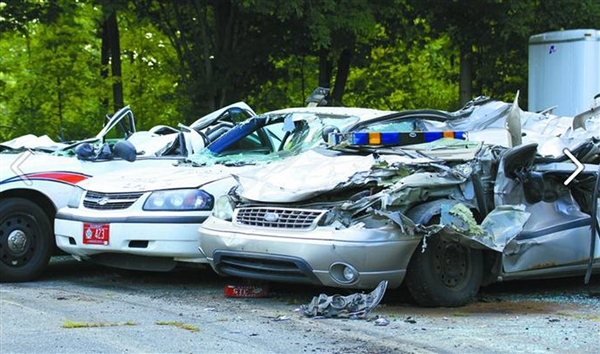
Cars ran over by a tractor.

A man driving a farm tractor ran over eight vehicles in the parking lot of a Vermont police station in an apparent revenge scheme, according to local police. Roger Pion, 34, of Newport, Vt., flattened seven marked police cruisers and one unmarked personal vehicle at the Orleans County Sheriff’s Department in Derby, Vt., around 12:40 p.m. Thursday.

“We came out and sure enough there was someone who had run over our cruisers with a tractor,” Chief Dep. Philip Brooks of the Orleans County Sheriff’s Dept. told WCAX.